A confident smile can influence first impressions, personal relationships, and even professional opportunities. In today’s image-conscious world, more individuals are turning to cosmetic dentistry to enhance the appearance of their teeth and achieve a brighter, more balanced smile. Cosmetic dentistry goes beyond routine oral care. While traditional dentistry focuses on preventing and treating oral health issues, cosmetic dental procedures are designed to improve aesthetics—addressing concerns such as discoloration, misalignment, chipped teeth, gaps, and uneven contours. As techniques and materials continue to advance, patients now have access to minimally invasive, long-lasting solutions that deliver natural-looking results.
Cosmetic dentistry is not merely about vanity; it often plays a meaningful role in overall oral health and self-esteem. When individuals feel self-conscious about their smile, they may avoid social interactions or hide their teeth when speaking or laughing. Correcting aesthetic dental issues can have a profound psychological impact, increasing confidence and encouraging better oral hygiene habits. A person who invests in improving their smile is often more motivated to maintain it through regular SmileWorks dental care and preventive practices.
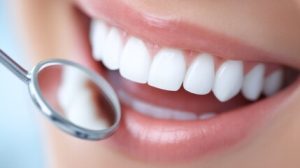
One of the most common cosmetic dentistry treatments is professional teeth whitening. Over time, teeth can become stained from food, beverages, tobacco use, and natural aging. While over-the-counter whitening products are widely available, professional whitening treatments provide stronger, more consistent results in a shorter period. These treatments use carefully formulated bleaching agents that penetrate enamel safely, removing deep-set stains without damaging tooth structure. The result is a noticeably brighter smile that can rejuvenate one’s overall appearance.
Dental veneers are another transformative cosmetic dentistry option. Veneers are thin shells, often made of porcelain or composite material, that are bonded to the front surface of teeth. They are designed to correct issues such as chips, cracks, discoloration, minor misalignment, and uneven spacing. Because veneers are custom-crafted to match the natural color and shape of surrounding teeth, they provide seamless results. Patients seeking a dramatic smile makeover often choose veneers due to their versatility and durability. With proper care, veneers can maintain their appearance for many years.
Dental bonding offers a more conservative alternative for correcting minor cosmetic flaws. In this procedure, a tooth-colored resin is applied and sculpted directly onto the tooth, then hardened with a specialized light. Bonding can repair small chips, close minor gaps, and improve the shape of uneven teeth. It is typically less expensive than veneers and requires minimal removal of natural tooth structure. While bonding may not last as long as porcelain restorations, it remains a practical and efficient solution for many patients.
Orthodontic treatments have also become a significant part of cosmetic dentistry. Straightening teeth not only improves appearance but also enhances oral health by making teeth easier to clean and maintain. Modern orthodontic solutions include clear aligners and discreet braces that gradually reposition teeth without the noticeable appearance of traditional metal brackets. These advancements have made orthodontic treatment more appealing to adults who may have previously avoided correcting alignment issues due to aesthetic concerns.
For individuals with missing teeth, cosmetic dentistry provides restorative solutions that restore both function and appearance. Dental implants, bridges, and aesthetic dentures are designed to replicate the look and feel of natural teeth. Dental implants, in particular, offer a long-term solution by anchoring a replacement tooth directly into the jawbone, helping preserve bone structure while providing a stable foundation. Replacing missing teeth prevents shifting of surrounding teeth and supports facial structure, contributing to a balanced and youthful appearance.
Smile makeovers often involve a combination of cosmetic dental procedures tailored to the patient’s goals. A comprehensive approach may include whitening, veneers, orthodontics, and restorative treatments to achieve harmonious results. The process typically begins with a detailed consultation and evaluation, during which the dentist assesses oral health, discusses aesthetic concerns, and develops a customized treatment plan. Digital imaging and mock-ups may be used to help patients visualize potential outcomes before treatment begins.
When considering cosmetic dentistry, patients should understand the primary benefits these treatments offer:
Enhanced appearance through correction of discoloration, misalignment, gaps, and damaged teeth.
Improved self-confidence that positively influences social and professional interactions.
Better oral health outcomes when alignment or structural issues are addressed.
Long-lasting results with modern materials designed for durability and resilience.
Despite its aesthetic focus, cosmetic dentistry still prioritizes oral health. A thorough examination ensures that underlying issues such as cavities, gum disease, or structural damage are treated before cosmetic procedures are performed. Healthy gums and stable tooth structures are essential for successful, long-term results. Addressing foundational concerns first ensures that cosmetic improvements are built on a solid base.
Another important consideration in cosmetic dentistry is material selection. Porcelain restorations are known for their strength, stain resistance, and ability to mimic the translucency of natural enamel. Composite materials offer versatility and affordability, making them suitable for bonding and certain veneers. Advances in dental technology have significantly improved the aesthetics and durability of these materials, allowing patients to achieve highly natural results that blend seamlessly with existing teeth.
The role of technology in cosmetic dentistry cannot be overstated. Digital impressions have replaced traditional molds in many practices, improving accuracy and patient comfort. Computer-aided design and manufacturing systems allow for precise fabrication of crowns, veneers, and other restorations. Laser technology has enhanced gum contouring procedures, enabling more precise reshaping with reduced discomfort and faster healing times. These technological advancements have streamlined the cosmetic dentistry process, making treatments more efficient and predictable.
Cost is often a factor when patients consider cosmetic dental procedures. While cosmetic dentistry may require an investment, many individuals find the long-term benefits justify the expense. Improved confidence, enhanced oral health, and durable results contribute to overall quality of life. Additionally, some treatments that improve function—such as correcting bite alignment or replacing missing teeth—may provide health benefits that extend beyond aesthetics.
Patients should also recognize that maintaining cosmetic dental results requires ongoing care. Good oral hygiene practices, including brushing, flossing, and routine dental visits, are essential. Avoiding habits such as teeth grinding, nail biting, or excessive consumption of staining substances can prolong the lifespan of cosmetic restorations. Protective measures like custom night guards may be recommended for individuals prone to grinding, safeguarding both natural teeth and cosmetic enhancements.
Choosing the right cosmetic dentistry approach involves careful evaluation and realistic expectations. While modern procedures can produce remarkable transformations, outcomes depend on individual oral health conditions and commitment to aftercare. Open communication with a qualified dental professional ensures that treatment goals align with achievable results. A well-planned cosmetic dentistry strategy focuses on balance, symmetry, and harmony rather than dramatic changes that appear artificial.
There are several key factors to consider before undergoing cosmetic dental treatment:
Overall oral health status and the need for preliminary treatments.
Desired outcomes and the most appropriate procedures to achieve them.
Longevity and maintenance requirements of selected treatments.
Financial considerations and long-term value of the investment.
Ultimately, cosmetic dentistry represents a blend of art and science. It combines technical precision with aesthetic judgment to create smiles that look natural and complement facial features. The best cosmetic dental work enhances a person’s unique characteristics rather than creating a generic appearance. By focusing on subtle improvements that respect natural anatomy, cosmetic dentistry can deliver results that are both beautiful and believable.
In an era where personal presentation plays an increasingly important role in daily life, cosmetic dentistry offers accessible solutions for individuals seeking to improve their smiles. From professional whitening and veneers to orthodontics and dental implants, modern treatments address a wide range of aesthetic concerns. With advancements in materials and technology, patients can achieve durable, natural-looking results with greater comfort and efficiency than ever before.
Investing in cosmetic dentistry is not simply about achieving whiter or straighter teeth. It is about restoring confidence, improving oral function, and enhancing overall wellbeing. A healthy, radiant smile can influence how individuals perceive themselves and how they are perceived by others. By understanding available options and working with experienced dental professionals, patients can make informed decisions that lead to lasting, positive transformations.